
The subject of World Refugee Day, defined by the UN Refugee Agency (UNHCR), for 2026 is based on Article 14 of the Universal Declaration of Human Rights: “Every human being who is a victim of persecution has the right to seek and enjoy asylum in other countries”.
In the case of people who left their country of origin because of a human rights violation, the law provides for the institution of Refugee status, which guarantees, among other things, the right to education, to work. In addition to these rights, the Brazilian Migration Law establishes the right to culture as one of its foundations.
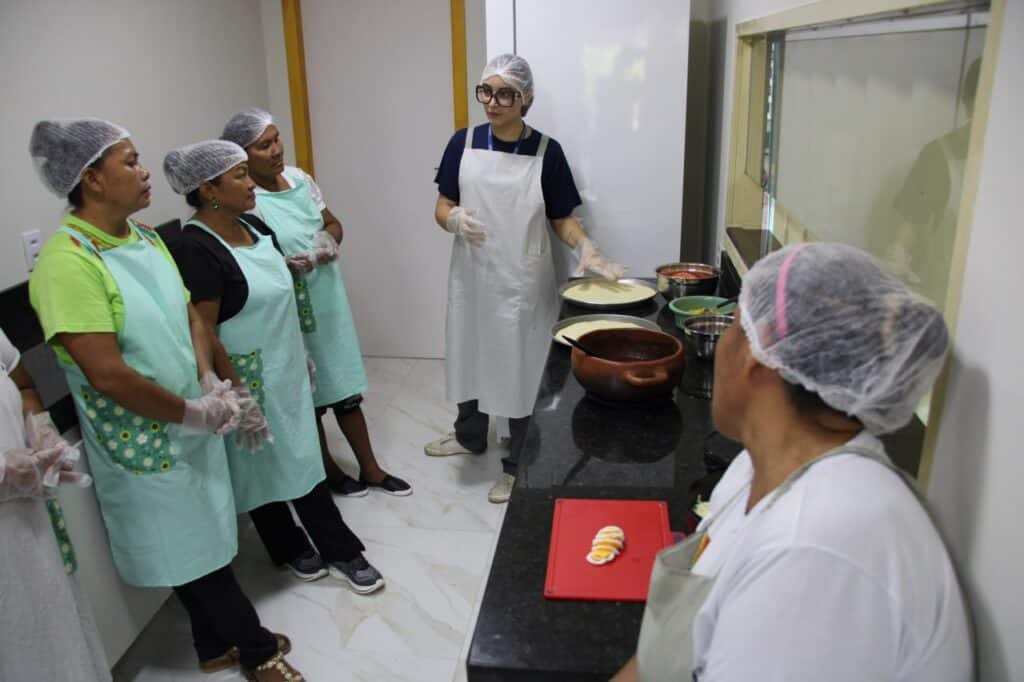
For 75 years, the world has recognized that any person forced to flee has the right to gain safety. But what does it mean to be safe after crossing borders, leaving one’s land, language, customs and one’s own network of support?
“In Los Caños”, says Euligio, a Warao refugee and leader, “we would go fishing, hunting in canoes; here [in Brazil] it’s different, the car, the bicycle, the motorcycle. There, we would go looking for yams, fishing, and we ate; here we have to work in order to buy food”. “The main challenges when we reached Brazil was the culture, the language…, at the Portuguese health centre, at the Portuguese school…, in looking for work we couldn’t understand and didn’t know how to pronounce the words.”
Through the words of this indigenous leader, we can begin to perceive what “safety” means for a people that seeks refuge in a diverse country with a different social organization. “Safety is professional, financial, social stability; it’s about investing time in their education, reinvented by their refugee status, without their children becoming obstacles; it’s perceiving oneself to be part of, through the opportunity of cultural expression”, comments Juan Diego, a volunteer of the Fraternity – International Humanitarian Missions (FIHM), in the Roraima Humanitarian Mission.
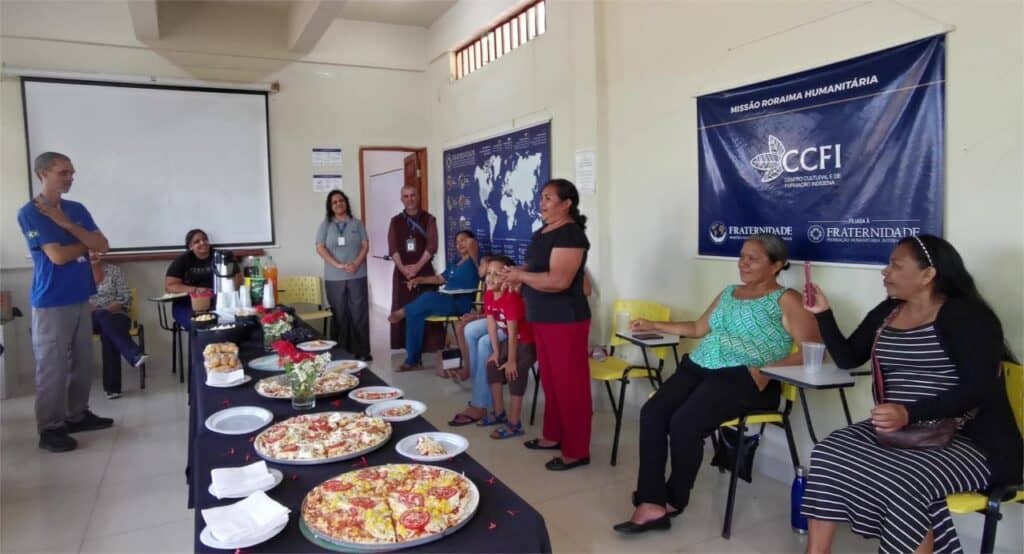
The Indigenous Cultural and Training Centre (ICTC), coordinated by the Fraternity – Humanitarian Missions (FIHM), joins refugee and immigrant indigenous people in searching for cultural appreciation, economic autonomy, and the rebuilding of community connections. Far beyond the emergency shelter, initiatives connected with entrepreneurship, the preserving of traditional knowledge, and the training spaces aim to create conditions so that indigenous refugees and immigrants are able to rebuild their lives without giving up their identity.
“The incubator of new businesses and mentorships, the technical trainings and events that promote empowerment are the tools used by the ICTC which contribute to the autonomy of indigenous refugees and immigrants, because they provide an opportunity for technical development, evolve interpersonal abilities, introduce sociocultural concepts, and are a field for necessary behavioral changes within the new social context.
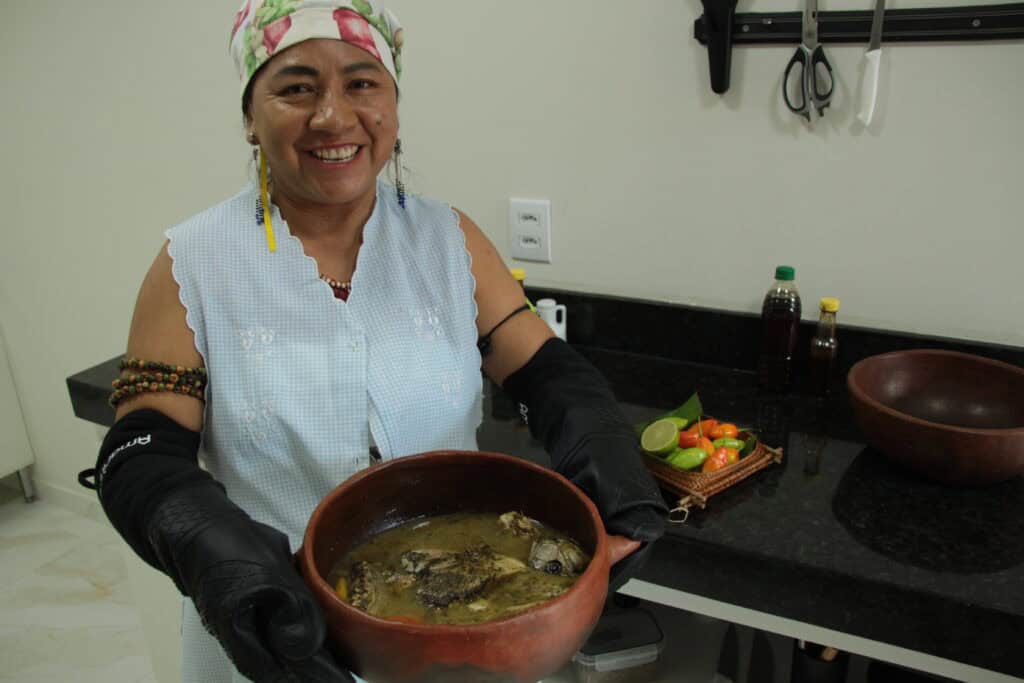
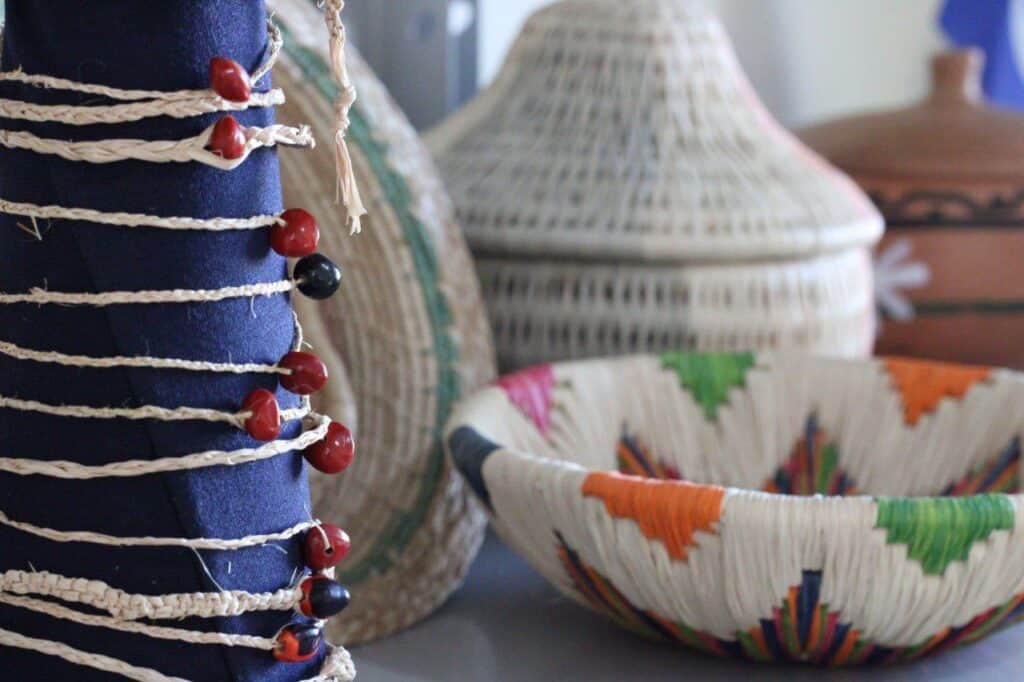
Cultural events such as indigenous fairs, traditional medicine and clay pot workshops strengthen their identity and feelings of belonging, because they provide a connection with their country of birth, ancestral background, the simplicity of life they had before finding themselves with the status of refugee”, adds Juan Diego.
“After years of humanitarian service in Roraima, the Fraternity – Humanitarian Missions (FIHM) has participated in the course of hundreds of indigenous refugees on their way to gaining a personal development and autonomy, a life of dignity, on their way to gaining safety. After years of work, cultural transformations have been observed, be it in the use of the Portuguese language and technology, be it in personal promotions or brands, without this interfering with their original identity”, adds Juan Diego.
“The Fraternity – Humanitarian Missions (FIHM) was what showed us the way, it was a guide for us, where to go, what to do. Classes on Portuguese, fairs, sewing, bread making, entrepreneur workshops,” comments Euligio. And he continues, “today we feel safe because the State already recognizes us, we have made friends and links with our indigenous relations, authorities… and now we already know the language, we’ve taken classes.”
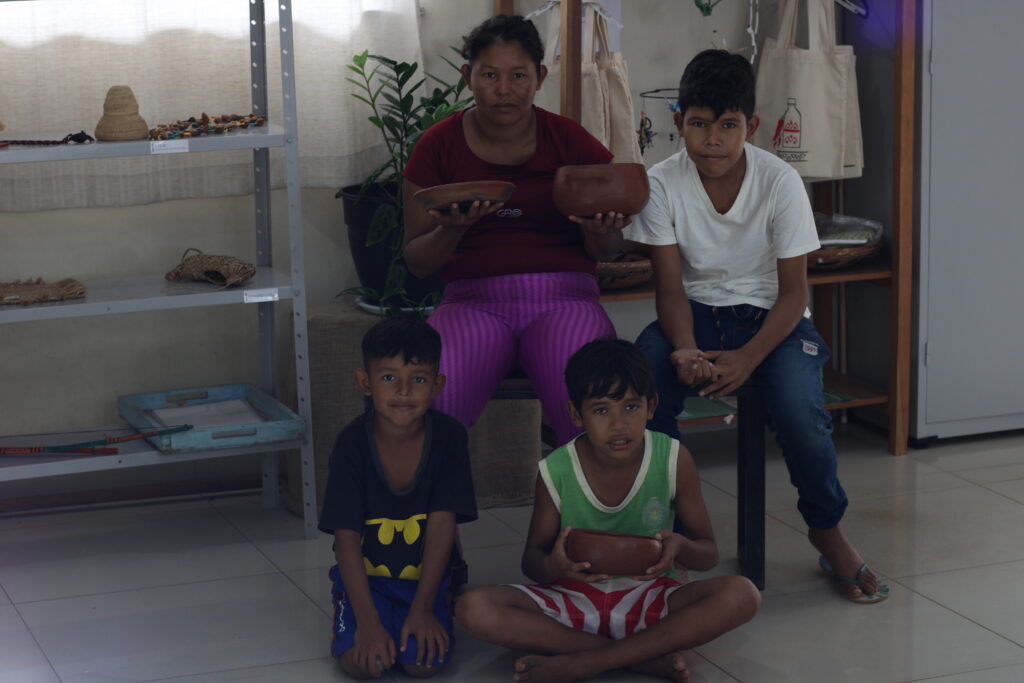
On connecting protection, culture and autonomy, the ICTC
has shown that creating conditions for belonging, producing, teaching and learning makes it possible to build a safer future.


