
An IT course sponsored by the Fraternity – Humanitarian Missions (FIHM) empowers young indigenous Macuxi and expands possibilities for work, communication, and valuing cultural appreciation in the Raposa I Community.
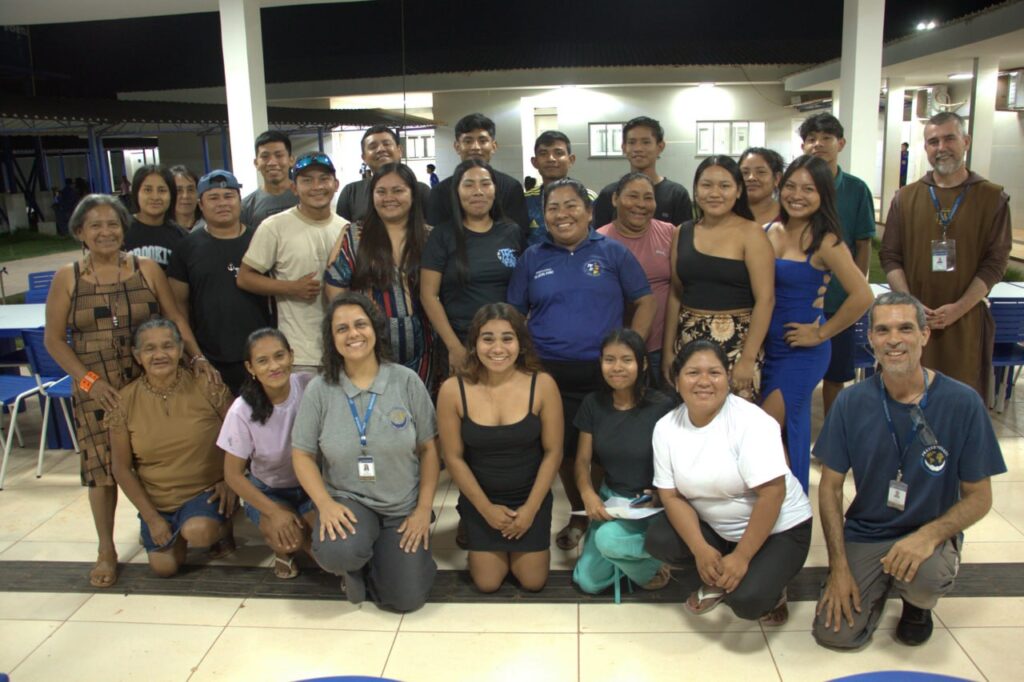
The area of the Raposa I Community, located in the municipality of Normandia, in Roraima, in the Raposa Serra do Sol Indigenous Land, expresses a unique way of life that includes ancestral tradition and modernity. Known for the traditional clay pots produced by the Macuxi indigenous women, for ethno-tourism, and ancestral cuisine, the community preserves knowledge transmitted between generations, while at the same time, seeks ways to have a dialogue on the new demands of the current world.
It was within this context that the Fraternity – International Humanitarian Missions (FIHM), through its team of volunteers, carried out a four-day immersive outreach program in the community. The action was born of a demand made by the residents themselves of Raposa I, especially the young people, leaders and artisans, which saw IT as an important tool for expanding possibilities for work, communication and cultural reinforcement.
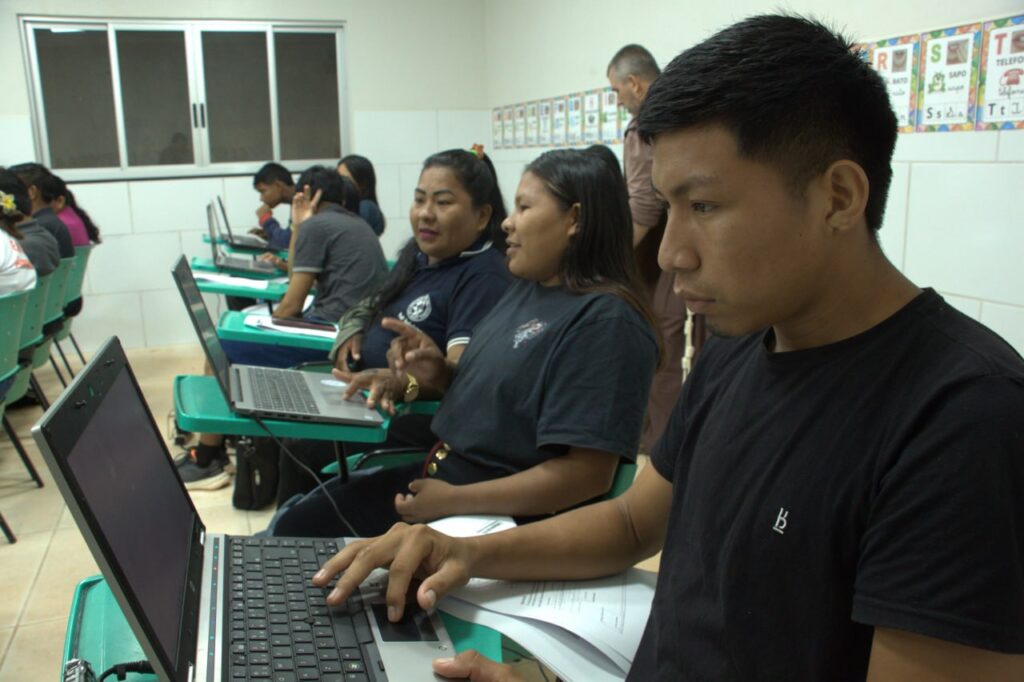
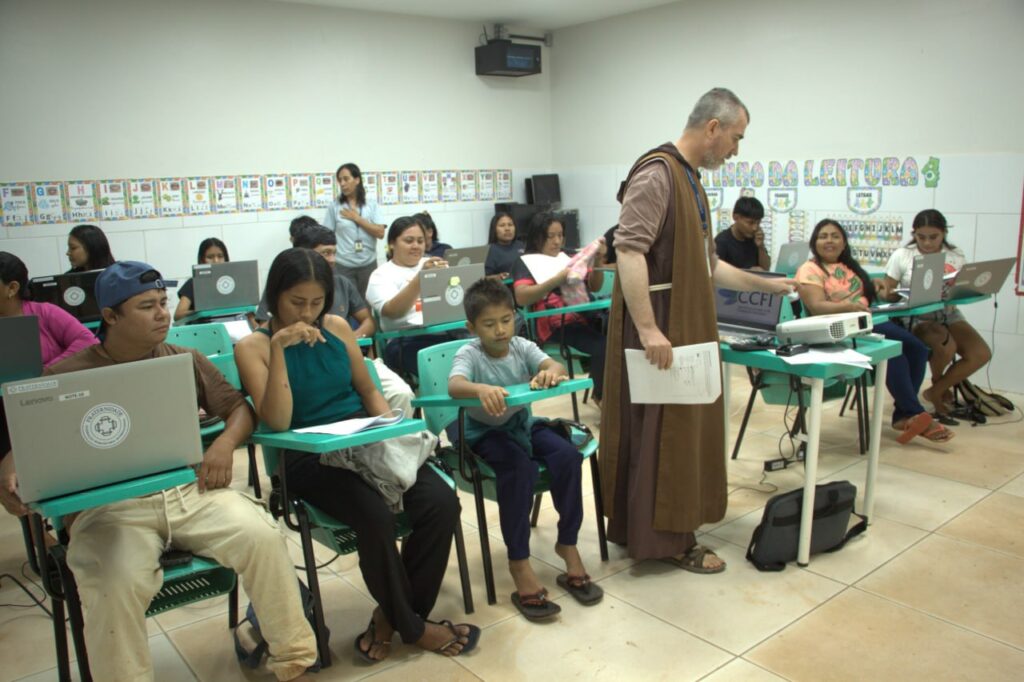
The initiative resulted in a basic training in IT mainly focused on young indigenous people and teachers of the community, addressing content related to the use of personal computers, operating systems, typing, editing text, Internet searches and cloud file storage. In all, 24 indigenous Macuxi participated directly in the training, divided into two classes, but the presence of the Fraternity – Humanitarian Missions (FIHM) brought together many other residents concerning different activities and dialogues.
Throughout the meetings, it became obvious that the interest in this technology does not come from substituting it for the ancestral culture, but rather as an instrument for bringing about a strengthening and continuity. Among the participants was a young man Josiel de Souza Militão, 17 years old, an artisan who works on graphic design, headdresses, necklaces, earrings, and miniature clay figures produced together with his mother.
“Now I am taking a course on IT because it brings me various opportunities for work, both in companies, as well as in earning my own money, in my case, to better advertise my artwork,” he said.
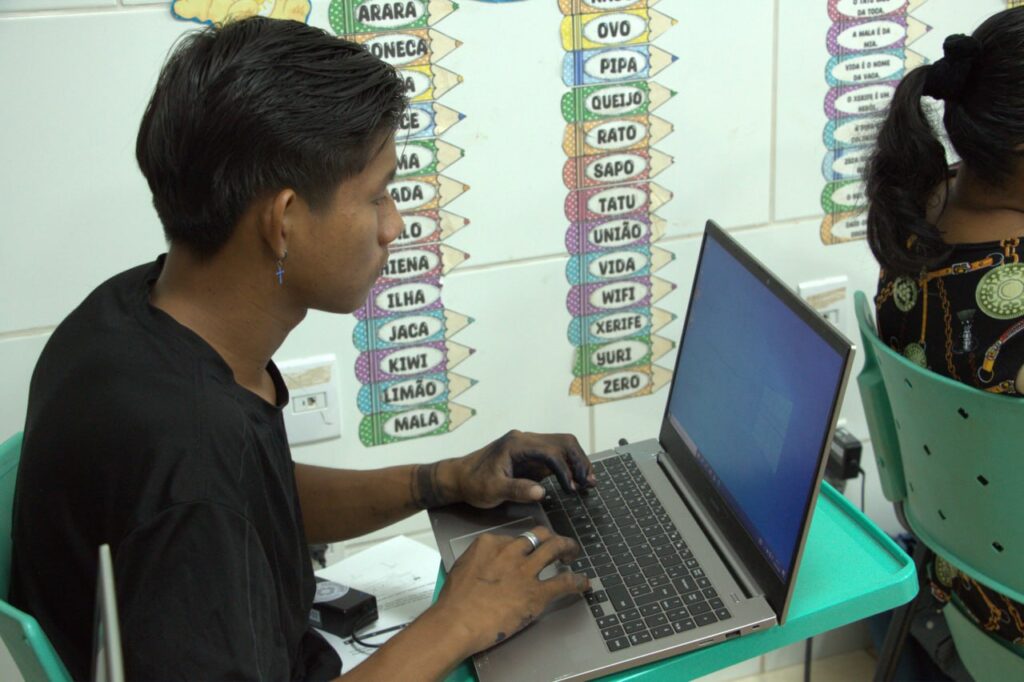
Josiel told us that he always wanted to learn to work with computers, and that he already realizes that the knowledge acquired can contribute toward the diffusion of his artwork. “Through IT, we can also learn to work with some applications that help a lot in improving the sale of our products,’ he explained.
Just like him, Rafaela, an artisan of the Raposa I community, also relates IT to the possibility for a cultural strengthening and income generation. Apprentice in the clay pot arts since she was a child, taught by her mother, in the tradition she recognizes a heritage that needs to be preserved and shared.
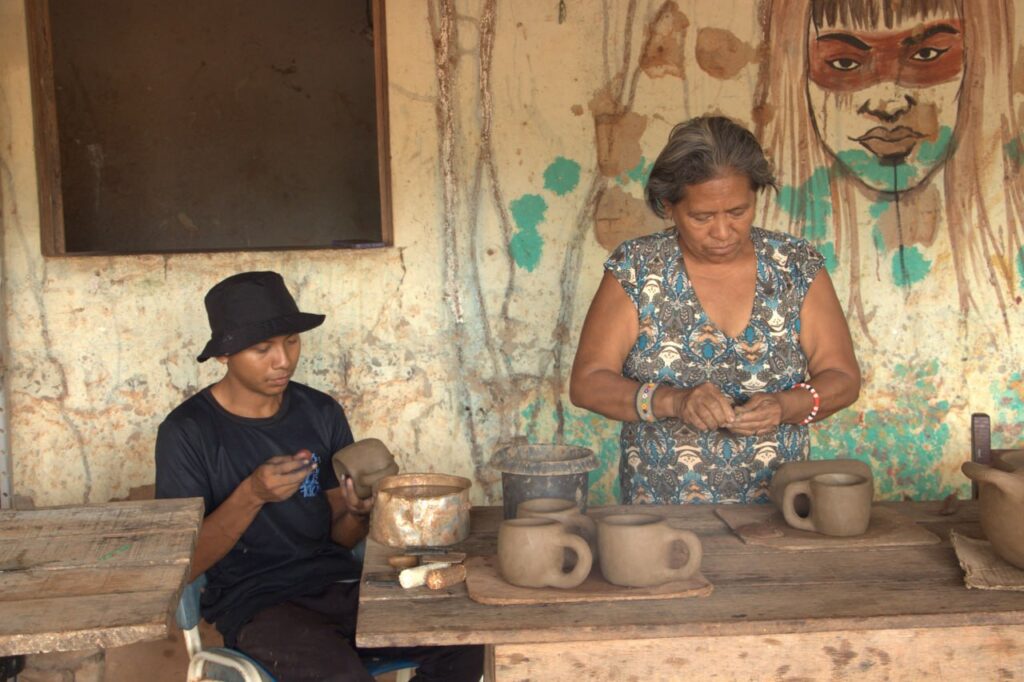
“It is important because it is our culture; it is our culture… And we need to show it, carry it to other places so they are able to get to know our culture,” she affirmed.
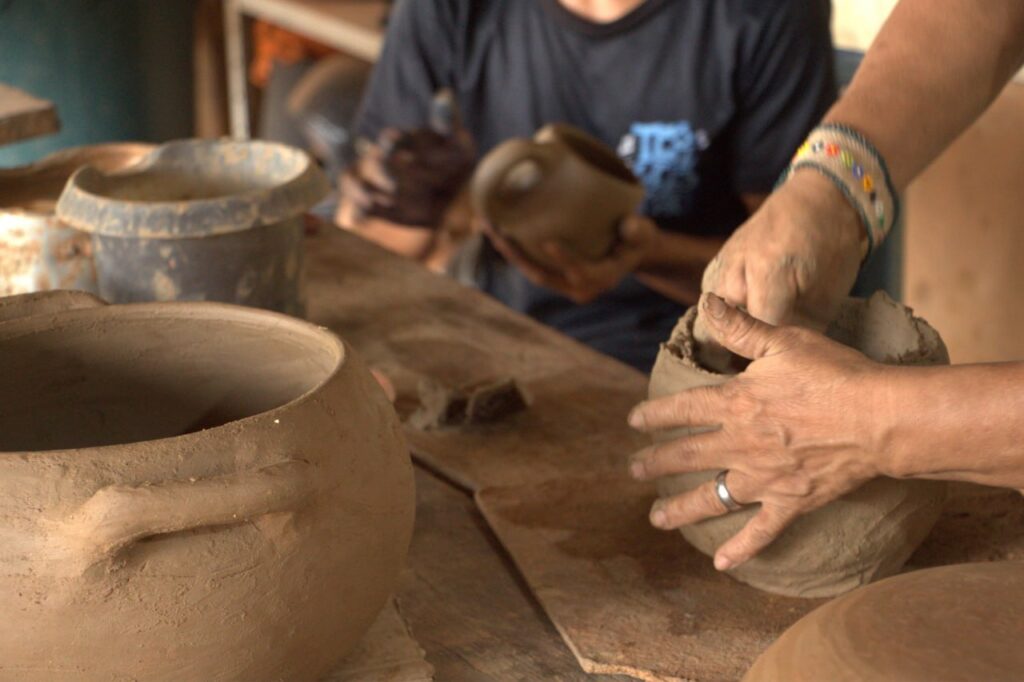
Rafaela sees the social networks and digital tools as a concrete opportunity for disseminating the work of the handicrafts done by the community. “There are social networks that I have for spreading the word on the things I do, such as the clay pots, and that can perhaps open up possibilities for employment within the community itself,” she emphasized.
The search for technological information also appears to be associated with the administrative and professional needs of the community itself. According to the participants, vacancies in local sectors, such as in secretariats, associations and schools, frequently require basic knowledge in IT, making this training an important instrument of autonomy.
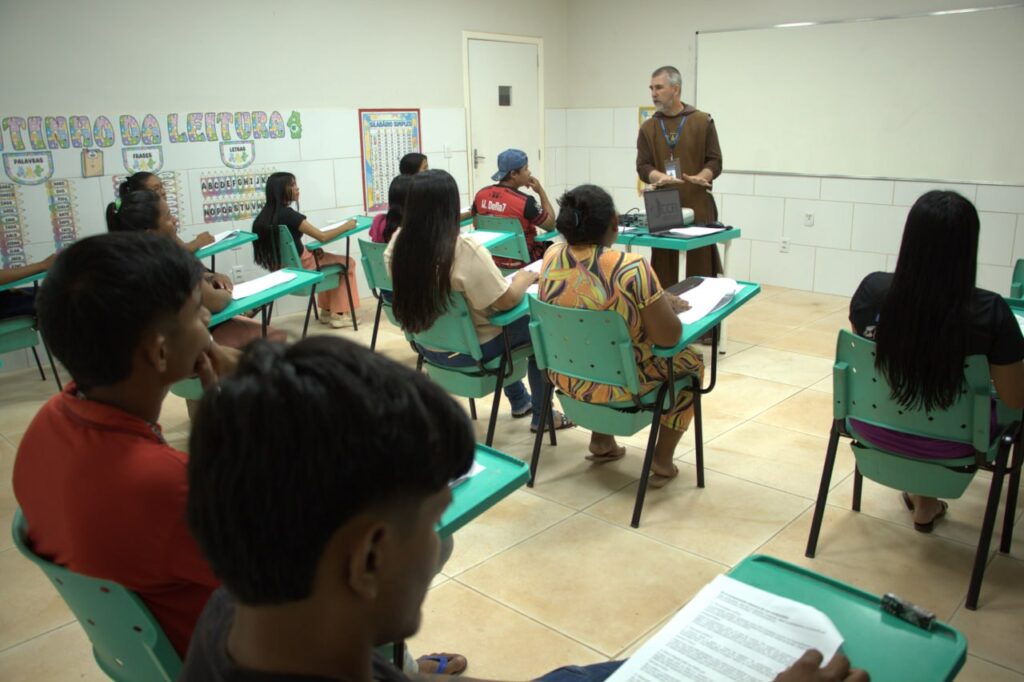
For the coordinator of Projects of the community, Enoque Raposo, the support received represents a collective empowerment. “That work will very much support the work of the community here, because we need that IT work,” he affirmed.
Enoque emphasizes that Raposa I, over the years, built an experience of territorial enhancement based on indigenous participation. The ethno-tourism developed in the region, one of the current projects, seeks to introduce visitors to not only the natural beauty of the Raposa Serra do Sol Indigenous Land, but also the ways of life, traditional workshops, ancestral knowledge, and the spiritual relationship with the land.
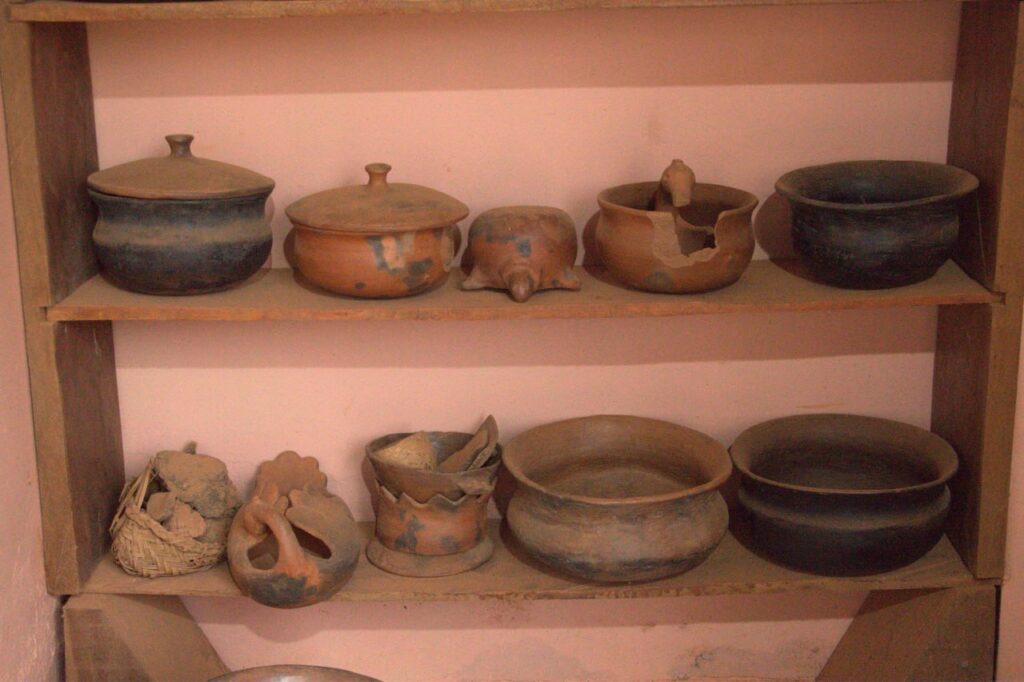
“The world is full of changes, and we have to follow them; however, our roots need to be preserved,” he declared.
The ethno-tourism activities include clay pots, bow and arrow, and traditional cuisine workshops and discussion groups on the history of indigenous struggles, and the delineation of the Raposa Serra do Sol Land. Among the food presented to the visitors, there is damorida, a traditional intensely spicy soup consumed daily in the community.
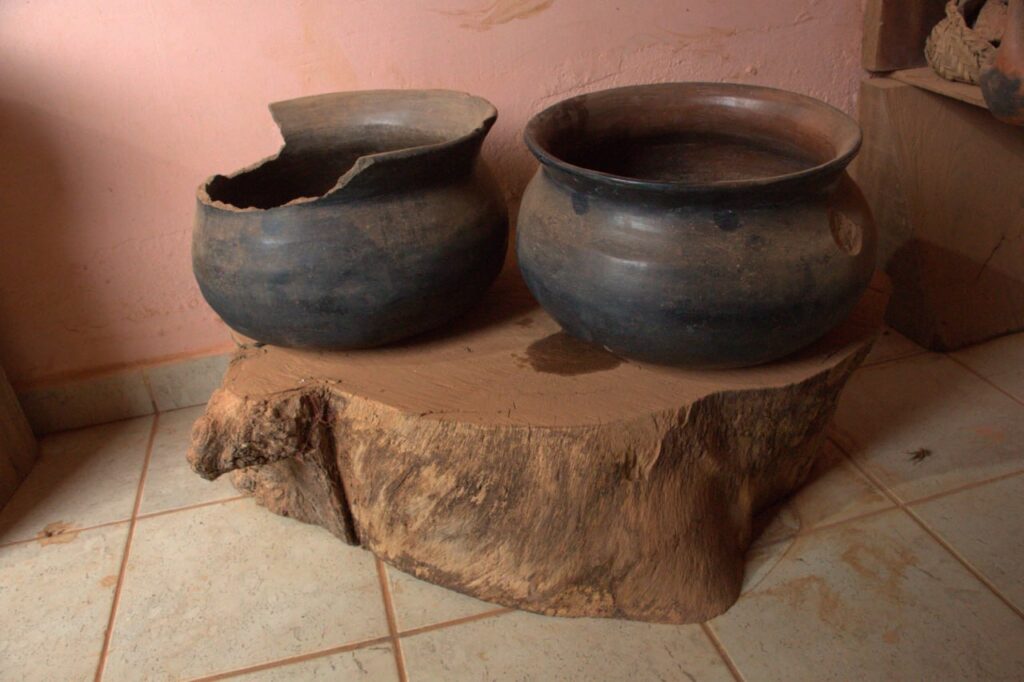
“Ethno-tourism helps to preserve this ancient culture,” Enoque highlighted.
During their stay in the community, the volunteers of the Fraternity – Humanitarian Missions (FIHM) were also able to get to know aspects tied to traditional indigenous medicine and the ancestral knowledge preserved by the elders. Delmiro, one of the local references in this field, shared knowledge related to medicinal plants and the spiritual relationship with nature.
“The remedies come from nature,” he affirmed. According to him, the territory is inhabited by forces and guardians that demand respect and care. “Everything in nature has an owner. The lake has an owner, the hills have an owner,” he explained.
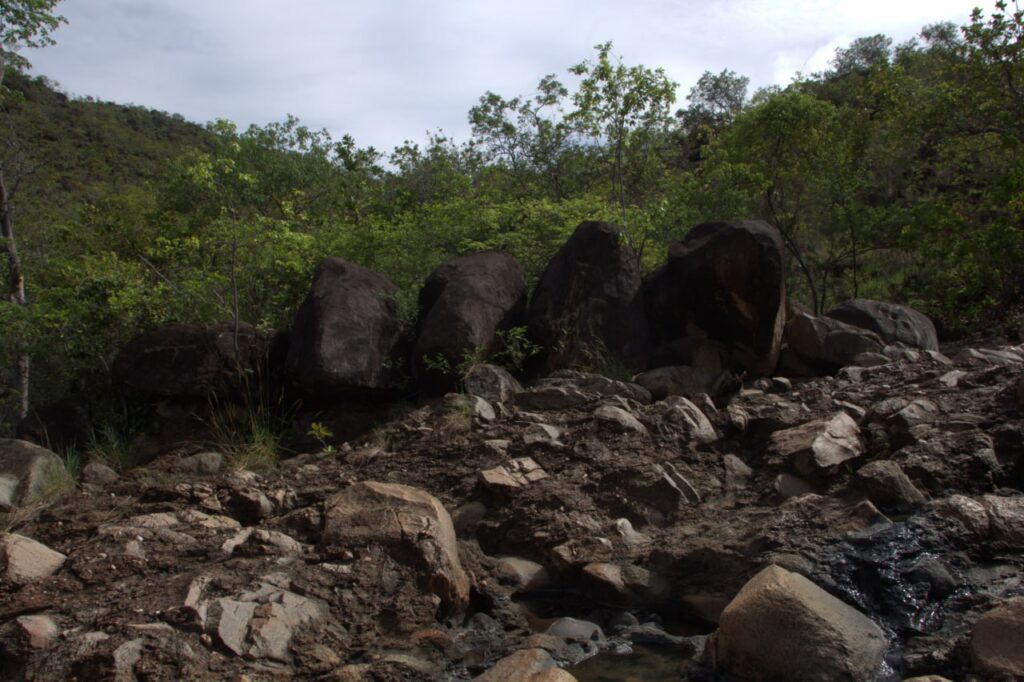
The stories reinforce the profound connection between the original peoples and the natural environment, revealing a vision of the world in which health, spirituality, territory and the collective remain interconnected.
Aajhmaná, a member of the Fraternity – Humanitarian Missions (FIHM), explains that the activities were built through a direct dialogue with the indigenous leaders, artisan women and representatives of the local school. “A dialogue was carried out with the indigenous leaders, artisan women and the director of the school in order to find opportunities for projects within the community,” she told us.
She emphasizes that the course was carried out by volunteers of the Fraternity – Humanitarian Missions (FIHM) with specific IT knowledge and information technology, seeking to respond to the requirements presented by the community itself.
“Based on the requests of those participants, we will probably organize a next edition, more advanced in its content, and bringing more knowledge to people of the communit”, she affirmed.
Besides the IT, new talks already point toward future possibilities for training in areas such as agroforestry, food, sewing, and handicraft knowledge, always respecting the community interests and decisions.
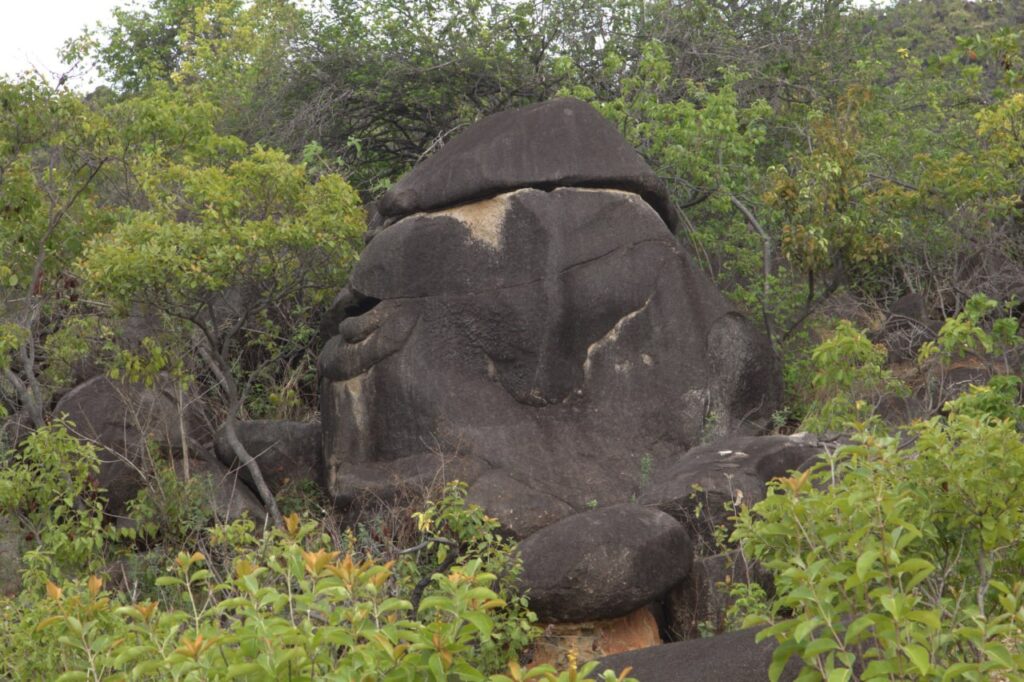
The experience had in Raposa I shows evidence that tradition and technology do not move in opposite directions. In the indigenous community, computers, internet and digital tools have moved in to occupy a place of support for preserving the culture, economic autonomy and a strengthening support for the new generations.
Amongst the clay pots shaped by hand, the stories transmitted by the elders, and the ancestral knowledge preserved in the Raposa Serra do Sol Indigenous Land, indigenous youths have also begun to discover new languages, tools and possibilities for connection with the world – without letting go of their roots.


